History of Malta & Marsaxlokk - Duncan Guest House

History of Malta & Marsaxlokk

Discover 7,000 years of fascinating Mediterranean heritage

Discover Malta

A rich tapestry of history spanning over 7,000 years

Malta is a captivating Mediterranean archipelago strategically positioned between Europe and North Africa. This small island nation boasts one of the world's most remarkable histories, with evidence of human habitation dating back to around 5200 BC.

The islands have witnessed the rise and fall of civilizations, from prehistoric temple builders to modern European integration, each leaving an indelible mark on Malta's cultural landscape.
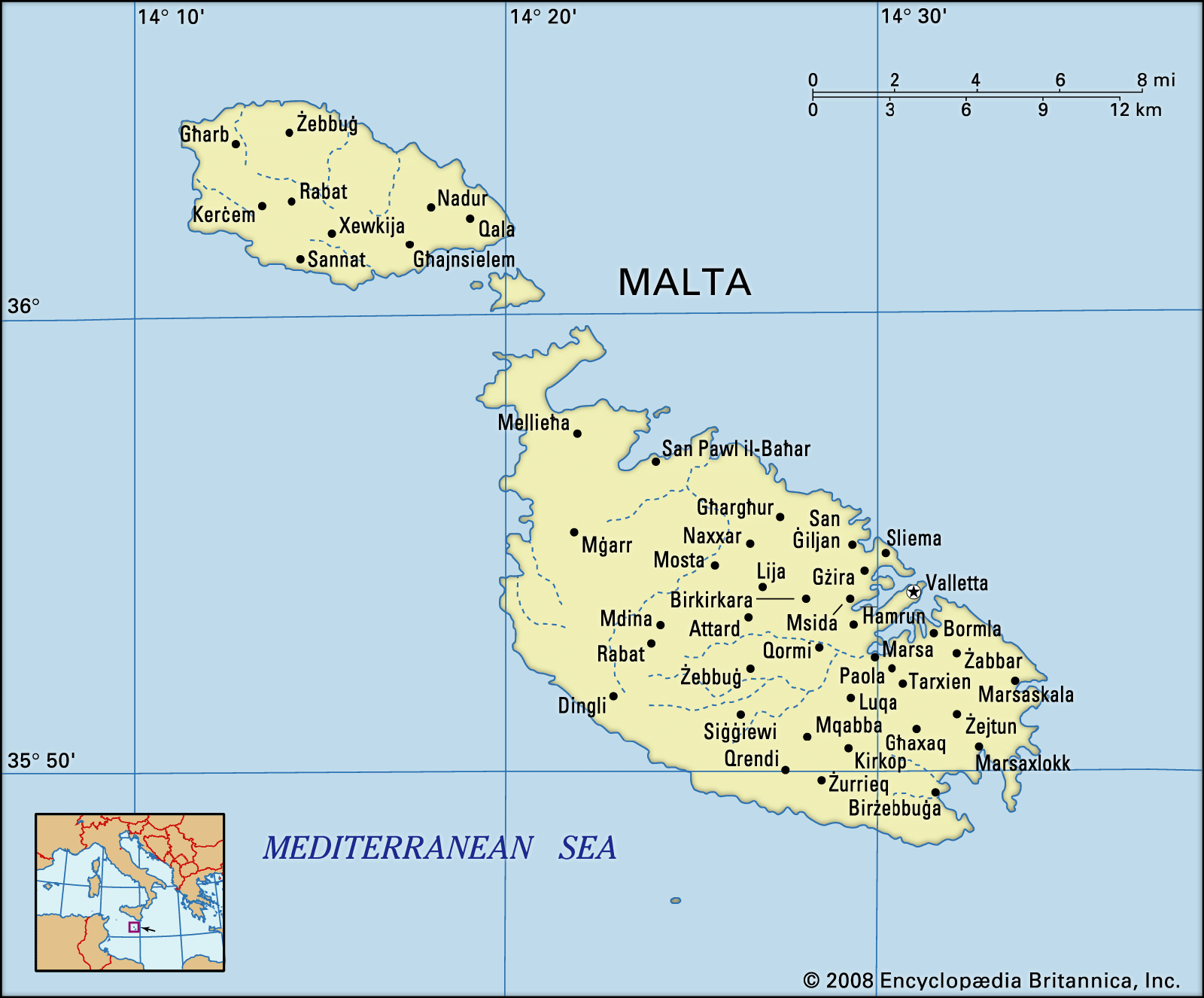
Malta Map

Ancient Civilizations

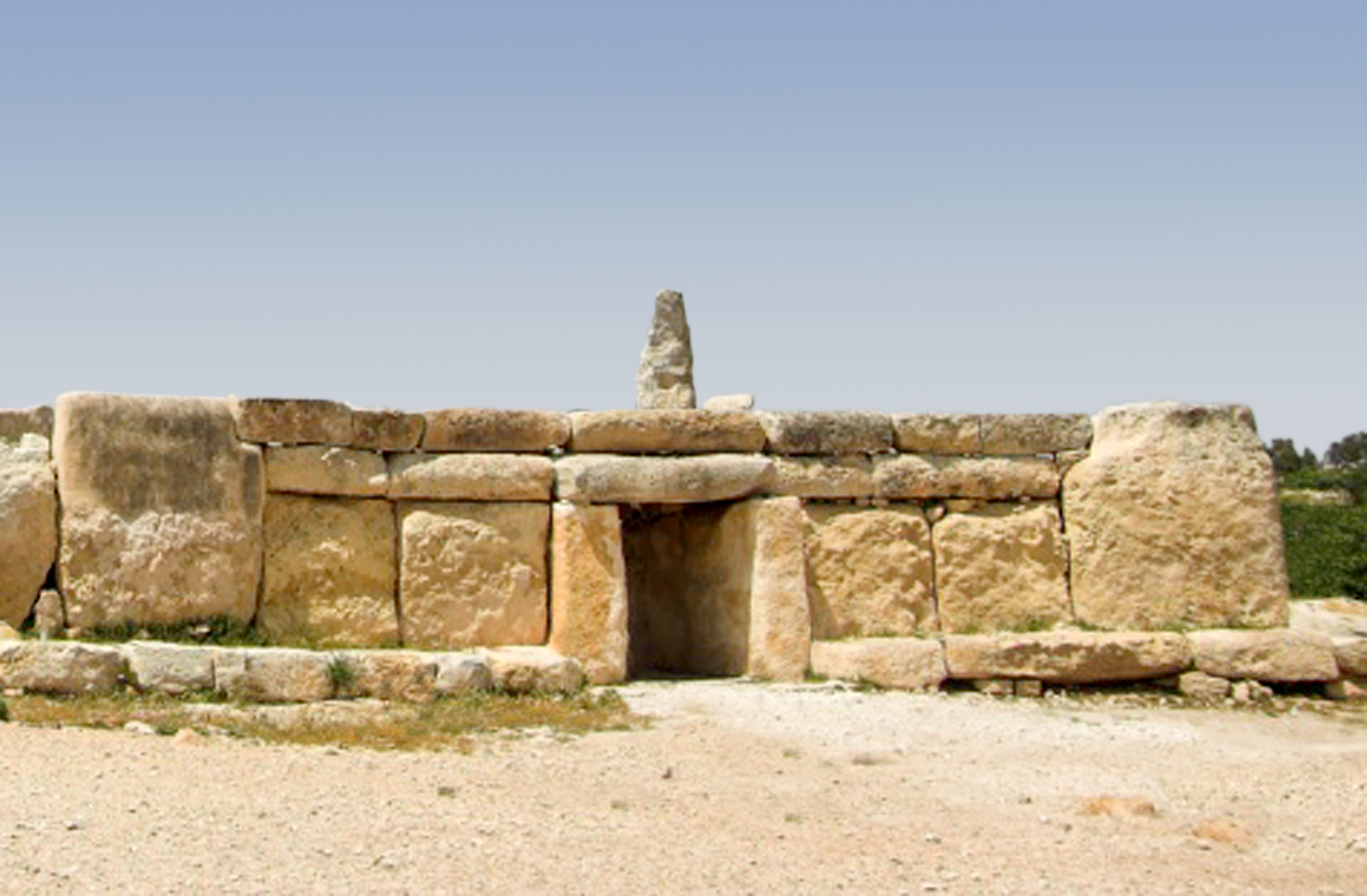
Malta is home to some of the world's oldest free-standing structures, predating both Stonehenge and the Egyptian pyramids. The megalithic temples of Ġgantija, Ħaġar Qim, and Mnajdra stand as testament to the island's prehistoric civilizations.

These UNESCO World Heritage sites showcase the advanced engineering and astronomical knowledge of Malta's ancient inhabitants, who constructed these remarkable temples between 3600 and 2500 BC.

Hagar Qim

Phoenicians and Romans

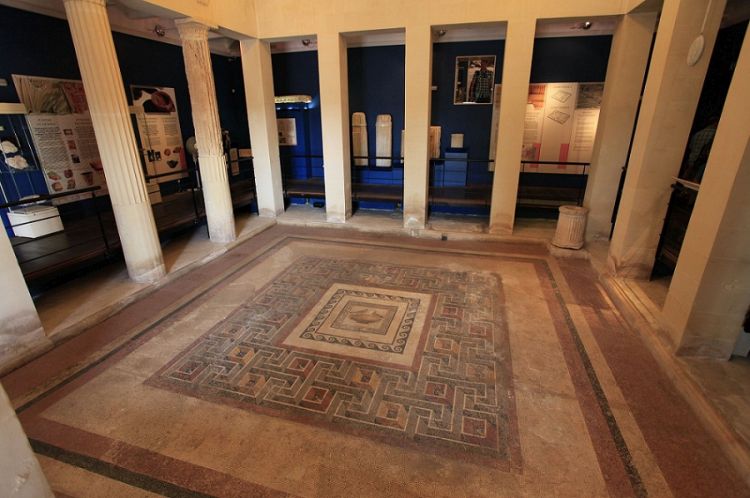
Around 800 BC, the Phoenicians arrived and established trading posts, giving Malta its name from the Phoenician word "Malat" meaning safe haven. The Roman period, beginning in 218 BC, brought prosperity and cultural development.

It was during this era that St. Paul was shipwrecked on Malta in 60 AD, introducing Christianity to the islands—an event that would profoundly shape Maltese identity for centuries to come.

Roman Villa

The Knights of St. John

Perhaps Malta's most famous chapter began in 1530 when Emperor Charles V granted the islands to the Knights of St. John. These military monks transformed Malta into a fortress against Ottoman expansion.

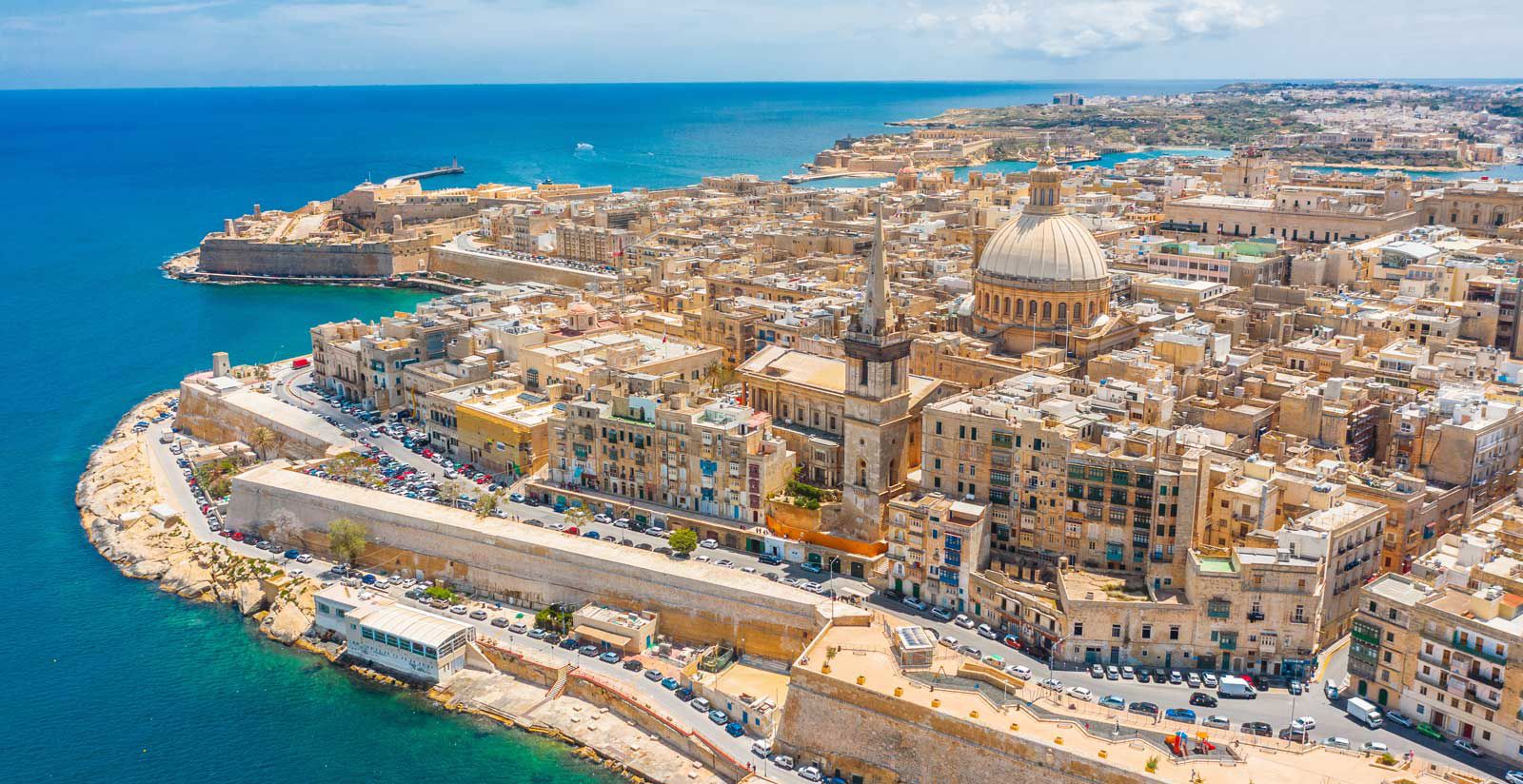
The Great Siege of 1565, where a small force of Knights and Maltese defenders repelled a massive Ottoman army, became legendary across Europe. Following their victory, the Knights built Valletta, one of Europe's first planned cities and now a UNESCO World Heritage site.

Valletta City

British Era and World War II

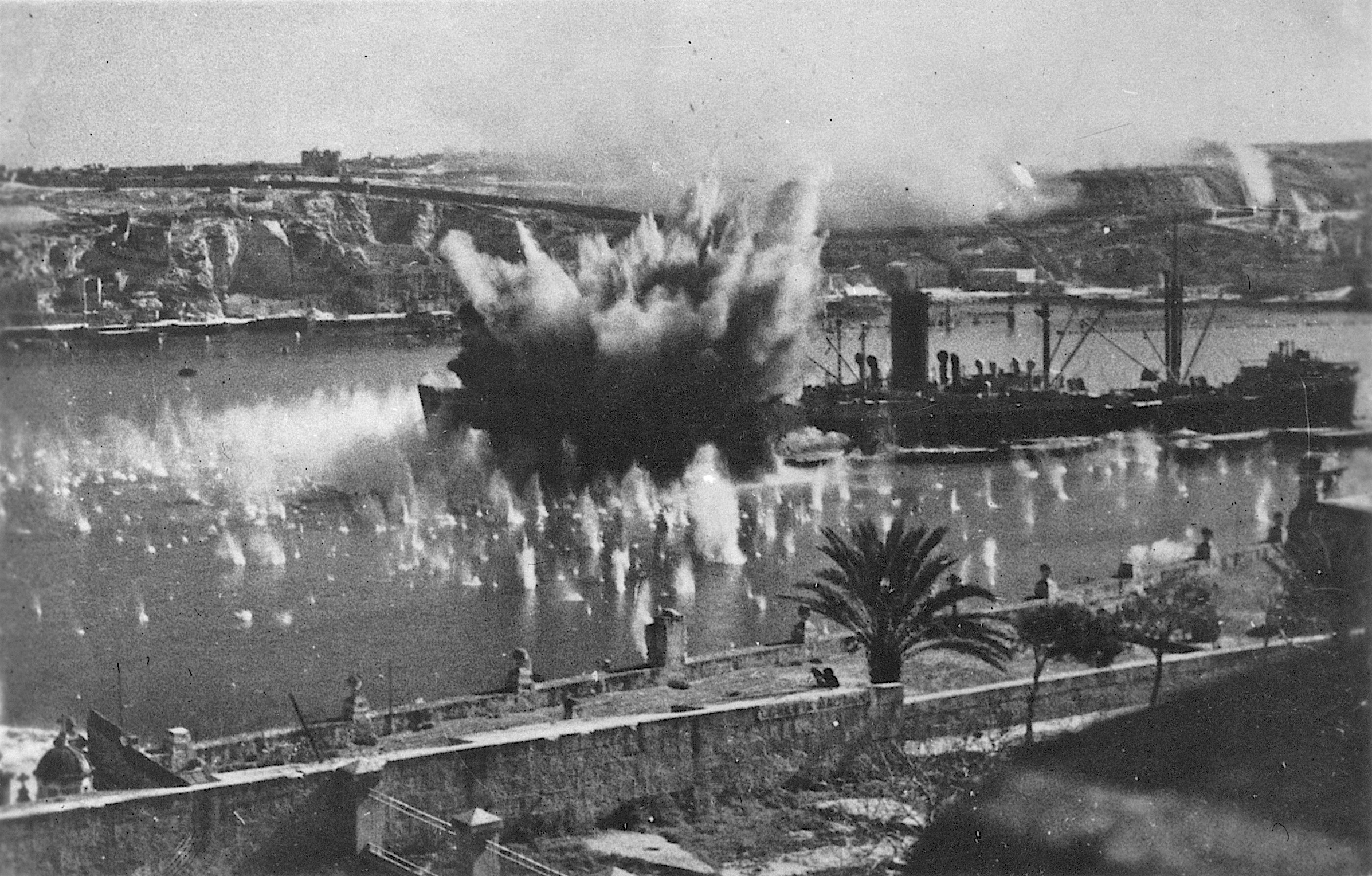
In 1800, Malta became part of the British Empire and served as a crucial naval base. During World War II, Malta's strategic importance made it a primary target for Axis forces.

The island endured some of the heaviest bombing in the war, earning the entire population the George Cross for collective bravery—the only time this honor has been awarded to an entire country. The cross still appears on Malta's flag today.

World War 2

Modern Malta

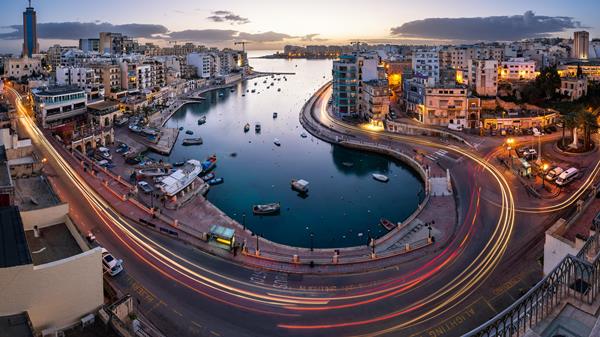
Malta gained independence in 1964 and became a republic in 1974. Today, it is a thriving member of the European Union (since 2004) and uses the Euro as its currency.

The Maltese language, a unique Semitic language written in Latin script, reflects the island's diverse heritage, incorporating elements from Arabic, Italian, English, and French.

Modern Malta

Cultural Heritage

Malta's rich history has left an indelible mark on its culture:

Architecture

From megalithic temples to Baroque palaces and British colonial buildings

Religion

Roman Catholicism deeply influences daily life, with numerous churches and annual festas

Cuisine

A delicious fusion of Mediterranean flavors with Sicilian, Arabic, and British influences

Language

Maltese and English are both official languages, making it easy for visitors

Marsaxlokk: Malta's Traditional Fishing Village

A picturesque harbor where time-honored traditions meet Mediterranean charm

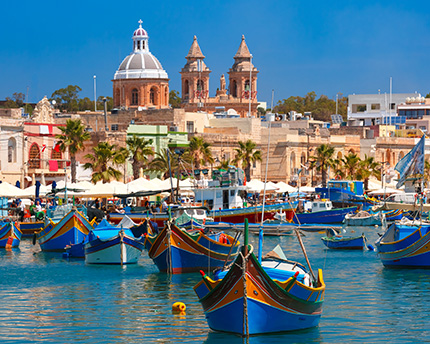
Marsaxlokk (pronounced "Mar-sa-shlock") is Malta's largest and most authentic fishing village, located on the southeastern coast of the island. The name comes from the Arabic "marsa" meaning harbor, and "xlokk" referring to the Sirocco, the southeasterly wind that blows across the Mediterranean.

This charming village has retained its traditional character while welcoming visitors from around the world.

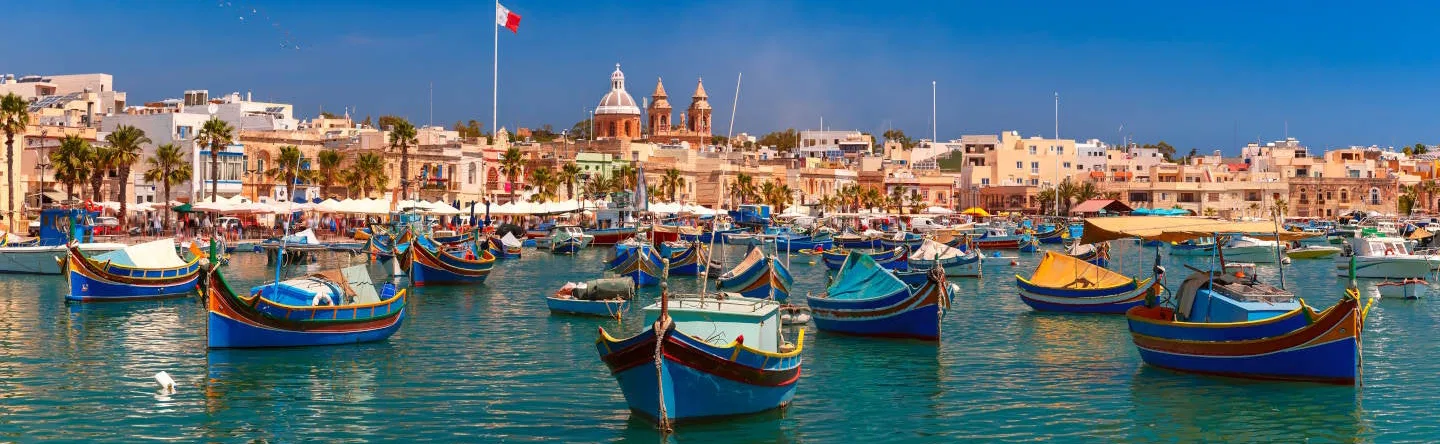
Harbour

Historical Significance

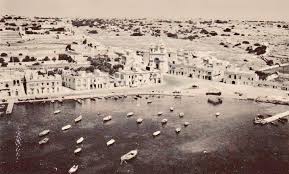
Marsaxlokk's deep natural harbor has been of strategic importance for millennia. The bay was likely used by Phoenician traders as early as 900 BC, serving as a safe anchorage for their merchant vessels plying the Mediterranean trade routes.

The Romans recognized its value and used it as a port, and archaeological evidence suggests continuous maritime activity throughout Malta's history.

Marsaxlokk Before

The Traditional Luzzu

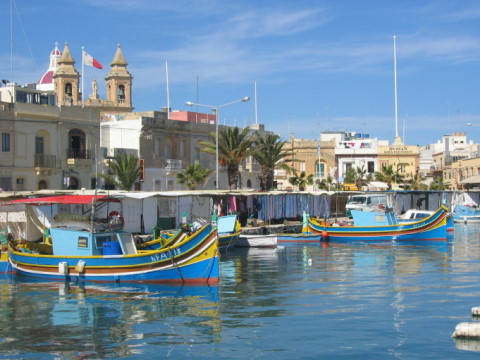
The village's harbor is famous for its colorful traditional fishing boats called "luzzijiet" (singular: luzzu). These distinctive vessels, painted in bright colors—typically blue, yellow, green, and red—are instantly recognizable by the "Eye of Osiris" painted on their prows.

This ancient symbol, dating back to Phoenician times, is believed to protect fishermen from evil and guide them safely home. The luzzu design has remained largely unchanged for centuries.

Fishermans Boat (Luzzu)

The Famous Sunday Fish Market

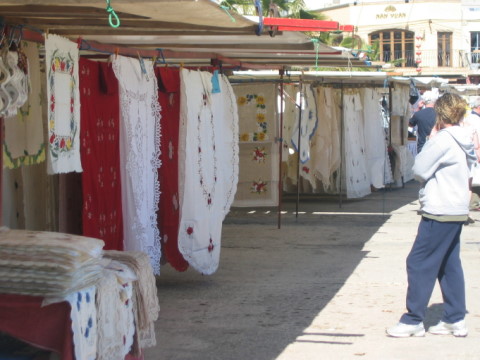
Every Sunday morning, Marsaxlokk transforms into a bustling open-air market that has become one of Malta's most popular attractions. The fish market showcases the daily catch brought in by local fishermen—from lampuki (dorado) and tuna to sea bass, octopus, and various shellfish.

Beyond seafood, the market has expanded to include local produce, Maltese honey, homemade preserves, handicrafts, and souvenirs.

Sunday Market

Community and Tradition

Marsaxlokk remains a working fishing village where traditions are proudly maintained. Many families have been fishermen for generations, passing down knowledge of the sea, fishing techniques, and boat maintenance from father to son.

The waterfront is lined with excellent seafood restaurants and family-run establishments where you can enjoy the freshest catch of the day.

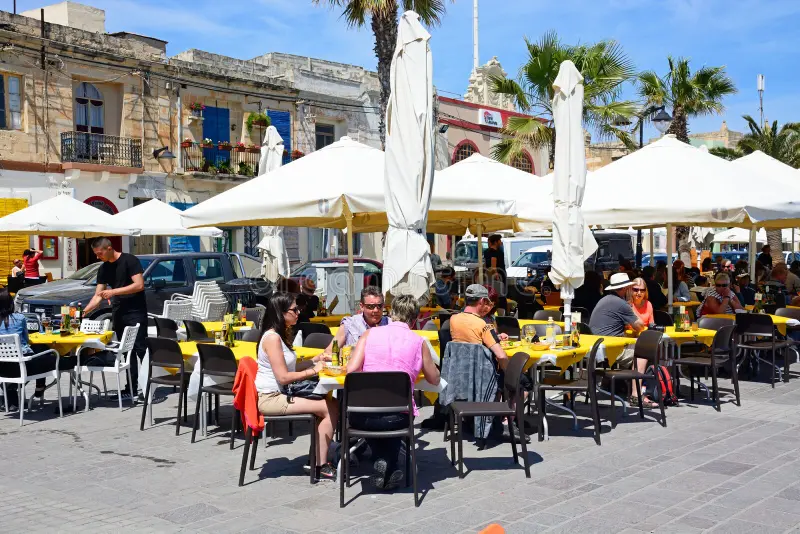
Water Front

Why Visit Marsaxlokk?

Experience authentic Maltese life in a picturesque fishing village

Photography Paradise

Colorful boats and picturesque harbor views

Fresh Seafood

Excellent dining in waterfront restaurants

Relaxed Atmosphere

Slower pace of Mediterranean life

Local Festivals

Traditional celebrations year-round

Marsaxlok overview

Experience This Rich History Firsthand

Stay at Duncan Guest House in the heart of historic Marsaxlokk

Book Your Stay Back to Home